The Best Paint Colors for Historic Homes in Massachusetts
Massachusetts is home to some of the most beautiful and well-preserved historic architecture in the country. From stately Colonial Revivals to ornate Queen Annes, these homes tell a story, and paint color plays a major role in how that story is presented. Whether you live in a coastal Federal-style home or a Victorian townhouse in Worcester County, choosing the best paint colors for historic homes is about more than curb appeal. It’s about respecting the details, honoring the past, and making thoughtful updates that preserve your home’s integrity.
But choosing paint for a historic home isn’t always straightforward. Should you stick to authentic colors from the home’s original period, or blend tradition with modern accents? What finishes work best for older surfaces? In this post, we’ll explore the key considerations and timeless color palettes that bring out the best in historic Massachusetts homes—inside and out.
Why Historic Homes Need Thoughtful Color Selection
Painting a historic home is not the same as painting a newer property. These homes often feature intricate details, period architecture, and longstanding materials that deserve a tailored approach. Choosing the wrong color—or finish—can unintentionally erase decades of character or clash with the home’s architectural style.
Many towns and cities in Massachusetts also have designated historic districts with specific guidelines for exterior updates. While not every home is subject to formal regulations, it’s still wise to approach color selection with sensitivity to the surrounding neighborhood and the era in which the home was built.
Here’s why paint color matters more with historic homes:
- It impacts the architectural integrity of the home by either highlighting or obscuring details like cornices, brackets, or columns.
- It affects resale value, especially if your home is located in a historically significant area.
- It contributes to the visual fabric of older Massachusetts neighborhoods, where a modern paint job can easily stand out in the wrong way.
Sticking to tried-and-true colors—or historically inspired variations—ensures your home feels updated but never out of place. It’s about enhancing its heritage, not competing with it.
Classic Exterior Color Combinations by Architectural Style
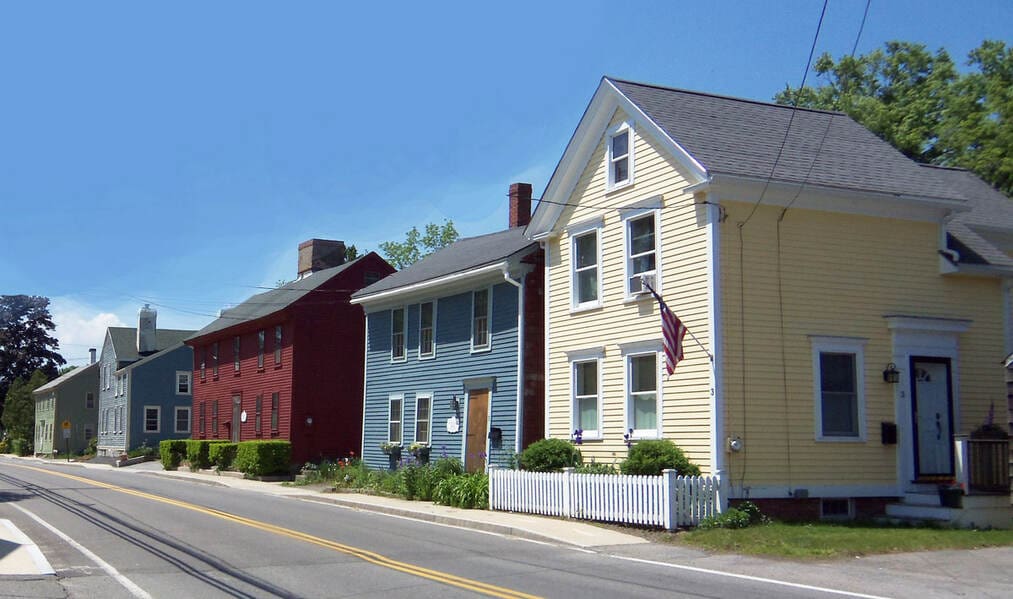
Different historic styles call for different color strategies. Choosing the best paint colors for historic homes means understanding the home’s architectural context and selecting tones that elevate, not overpower, its features. Below are some timeless color combinations that suit the most common historic home styles found throughout Massachusetts.
Colonial Revival
Known for symmetry and simple detailing, Colonial Revivals pair well with crisp, restrained palettes.
- Body colors: Soft whites, muted grays, slate blue, or pale beige
- Trim: Bright white or warm cream
- Accent doors/shutters: Navy blue, black, forest green, or deep burgundy
This palette emphasizes elegance and order while staying true to tradition.
Victorian (Queen Anne, Second Empire, etc.)
Victorian homes invite more decorative and saturated colors. Think of layered tones that highlight intricate woodwork and gables.
- Body colors: Olive green, dusty rose, deep brown, muted mustard
- Trim: Cream, tan, or darker contrast tones like burgundy or charcoal
- Accent doors/shutters: Brick red, teal, or even black for a modern edge
Victorians are often bold, and paint is one of the best ways to highlight their unique architecture.
Federal or Georgian
These early-American styles typically showcase restrained elegance and formal symmetry.
- Body colors: Warm gray, soft yellow, taupe, or ivory
- Trim: Clean white or off-white
- Accent doors/shutters: Black, hunter green, or dark blue
Federal-style homes especially benefit from understated sophistication, using fewer colors with strong contrast.
When choosing your color combination, be sure to consider your roof color, landscaping, and neighboring homes—these all contribute to the overall harmony of the home’s presentation.
Using Modern Paints to Recreate Historic Looks
Even if you’re working with a historic home, that doesn’t mean you’re limited to old-fashioned materials. Today’s paint technology makes it possible to replicate historic finishes while offering better durability, weather resistance, and ease of maintenance.
One of the smartest ways to preserve period charm while benefiting from modern performance is to choose paints from manufacturers that offer historically inspired color collections. Brands like Benjamin Moore’s Historical Collection or Sherwin-Williams’ Historic Color Collection are curated with heritage architecture in mind, providing timeless palettes tested for both authenticity and curb appeal.
Tips for using modern paint in a historic home:
- Opt for low-sheen or matte finishes on siding to mimic traditional lime wash or milk paint effects.
- Choose satin or semi-gloss for trim and accents, which adds subtle contrast and is easier to clean.
- Use high-quality exterior paint formulas that offer UV protection, mildew resistance, and better adhesion—especially critical in New England’s variable climate.
And remember: while the colors should honor the home’s original era, that doesn’t mean you can’t express a bit of personal taste. Using a bold front door color or playing with trim accents can add interest while staying rooted in tradition.
Interior Color Tips for Preserving Charm
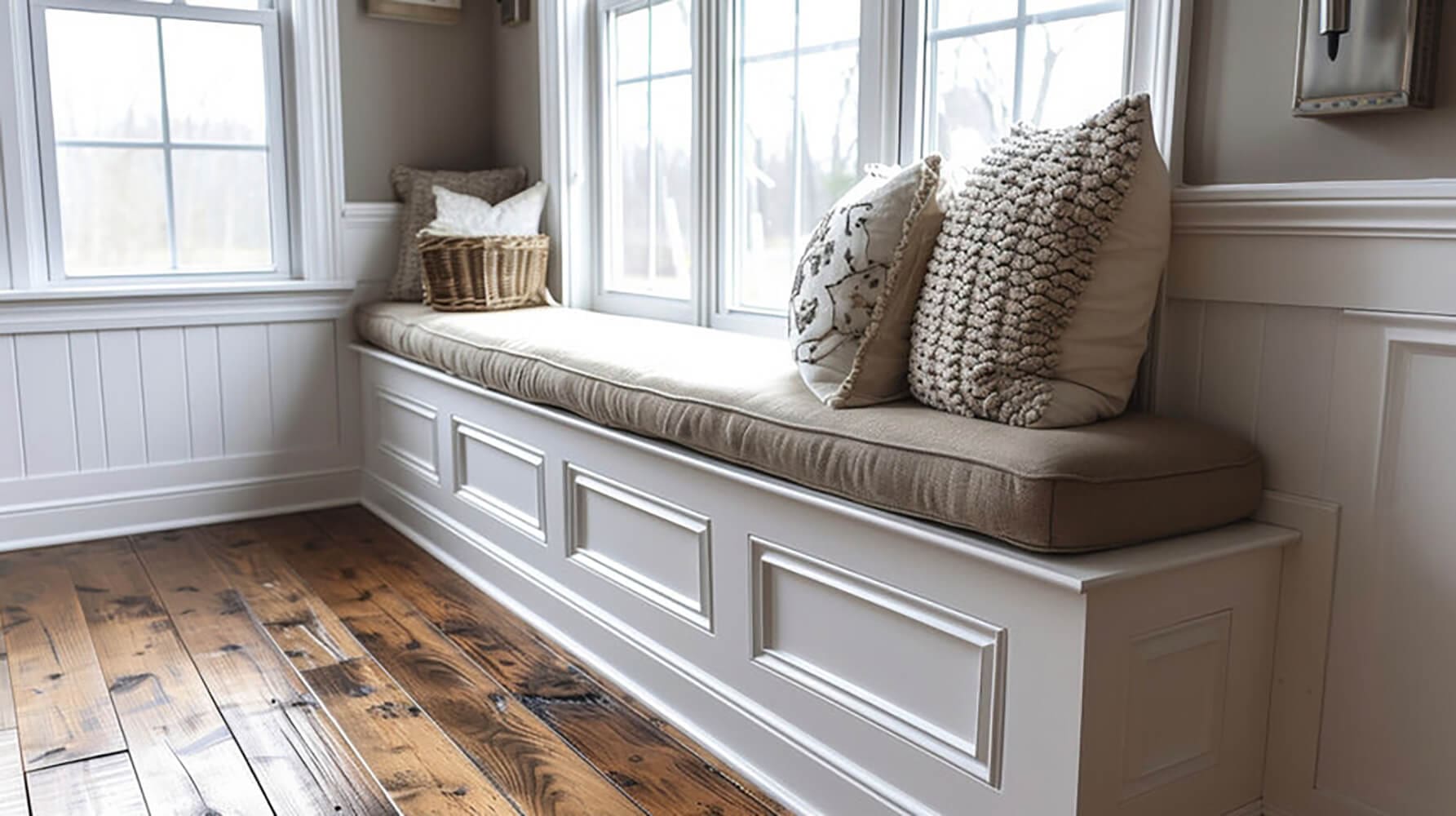
The exterior of a historic home may get the most attention, but the interior deserves just as much care—especially when it comes to paint. Older homes often feature original moldings, high ceilings, transoms, or antique woodwork, and the right color palette can highlight those features instead of hiding them.
When selecting interior colors for a historic home, think in terms of warmth, softness, and historical accuracy. Muted tones tend to work better than bright modern hues, especially when paired with original hardwood floors, plaster walls, or exposed brick.
Recommended interior paint colors for historic homes:
- Warm neutrals: Soft beige, taupe, or greige help showcase original trim and add quiet sophistication.
- Dusty blues and greens: Sage, slate blue, and eucalyptus tones offer color without overwhelming historic details.
- Heritage whites and creams: Perfect for wainscoting, ceilings, and trim in rooms with darker wall colors.
- Deep, moody hues: Charcoal, navy, and oxblood red can work beautifully in dining rooms, libraries, or stairwells where character and contrast shine.
Paint finishes matter, too. Use matte or eggshell for walls to minimize imperfections in older plaster, and semi-gloss for trim and woodwork to emphasize detail and create contrast.
If you’re working with a color consultant or painter familiar with New England homes, they may also be able to match or replicate original colors found on moldings, window casings, or under layers of old paint, helping you restore, not just refresh.
Classic Doesn’t Mean Outdated
Painting a historic home isn’t just about picking pretty colors—it’s about choosing tones that honor the architecture, highlight craftsmanship, and blend gracefully with the neighborhood. The best paint colors for historic homes respect the past while helping your home feel polished, timeless, and uniquely yours.
Whether you’re restoring a Federal-style colonial or refreshing the intricate trim of a Victorian, thoughtful color selection will elevate your home’s character and curb appeal for years to come. And thanks to today’s wide range of historically inspired paint collections, it’s easier than ever to get it right—without sacrificing performance or personality.
Before starting your next project, take time to study your home’s details and explore finishes that fit both the architecture and your lifestyle. If you’re unsure where to start, working with a painting professional who understands historic properties can help bring your vision to life with care and confidence.