How Winter Weather Affects Exterior Painting in Providence
Winter weather can make exterior painting feel like a gamble, especially in a place like Providence where cold, moisture, and sudden weather shifts are part of everyday life. Homeowners often wonder whether winter automatically rules out exterior work, or if some projects can still be done safely with the right timing and conditions.
The challenge is that winter doesn’t just bring lower temperatures. It changes how paint cures, how long surfaces stay damp, and how predictable a project timeline can be. Snow, ice, coastal humidity, and short daylight hours all affect how exterior paint behaves once it’s applied. Without understanding those effects, it’s easy to underestimate the risks or assume that waiting until spring is always the only option.
This article explains how winter weather affects exterior painting in Providence in clear, practical terms. Rather than offering blanket rules, it breaks down the specific ways winter conditions influence curing, moisture control, preparation, and scheduling. The goal is to help you understand what actually changes during the colder months, why those changes matter, and how they impact the quality and longevity of an exterior paint job.
With that clarity, you can make more informed decisions about timing, expectations, and whether winter conditions are workable for your home.
Winter Limits How and When Exterior Paint Can Cure Properly
Cold weather changes the way exterior paint cures, which is different from simply drying to the touch. Curing is the chemical process that allows paint to harden, bond to the surface, and develop long-term durability. In winter, that process slows down or can stop entirely if conditions fall outside safe ranges.
In Providence, the biggest issue isn’t just cold afternoons. It’s the combination of daytime temperatures that hover near the minimum limits and overnight lows that dip well below them. Even if paint goes on smoothly during the day, curing can be disrupted once temperatures drop after sunset.
Several winter-specific factors affect curing:
- Lower temperatures slow the chemical reactions that allow paint to harden properly.
- Freeze–thaw cycles can interrupt curing before the paint film fully stabilizes.
- Surfaces cool faster than the surrounding air, especially siding and trim exposed to wind.
Another common misconception is focusing only on air temperature. Surface temperature matters more. Siding that feels cold to the touch may not support proper curing, even if the thermometer reads within an acceptable range.
When curing is compromised, paint may look fine at first but fail prematurely. Issues like poor adhesion, uneven sheen, or early peeling often trace back to paint that never had the chance to cure correctly. That’s why winter conditions place tighter limits on when exterior painting can be done safely.
Providence’s Winter Weather Increases Moisture Risk on Exterior Surfaces
Moisture is one of the biggest threats to a successful exterior paint job, and winter conditions in Providence make moisture harder to control. Snow, ice, and frequent temperature swings allow water to linger on exterior surfaces much longer than it does in warmer seasons.
During winter, moisture shows up in more ways than visible snow or ice. Condensation can form overnight as temperatures drop, even on days without precipitation. Coastal humidity adds another layer, keeping siding, trim, and masonry damp beneath the surface, which plays into why exterior paint fails faster in New England.
Common winter moisture challenges include:
- Snow melt seeping into small cracks and joints before refreezing.
- Condensation forming on shaded sides of the home overnight.
- Damp siding that appears dry on the surface but retains moisture underneath.
This trapped moisture becomes a problem once paint is applied. Paint needs a clean, dry surface to bond correctly. When moisture is present, it can block adhesion or become sealed beneath the paint film.
The result is often delayed failure rather than immediate issues. Blistering, bubbling, or peeling may not appear until weeks or months later, once temperatures rise and trapped moisture tries to escape. Because winter slows evaporation and drying, moisture-related risks are significantly higher than many homeowners expect during colder months.
Shorter Days and Weather Swings Create Narrow Painting Windows
Winter doesn’t just affect paint performance. It also limits when exterior painting can realistically happen. In Providence, shorter days and fast-changing weather patterns create much smaller windows where conditions line up safely.
Daylight matters more in winter because temperatures often rise just enough for painting only during a short mid-day window. Early mornings are typically too cold, and late afternoons cool off quickly. That leaves a narrow stretch of usable time, even on relatively mild days.
Winter weather swings add another layer of difficulty:
- Temperatures can drop sharply after sunset, interrupting curing.
- Passing fronts can shift conditions from workable to risky in a matter of hours.
- Forecasts are less predictable, making scheduling harder to lock in.
Because of this, exterior painting timelines become less flexible. Missed days can lead to longer project durations, and work often needs to pause until the next suitable stretch of weather appears.
These constraints are why exterior painting delays in cold weather are common. It’s not that winter makes painting impossible, but that it reduces the margin for error. Successful winter projects depend on precise timing, careful monitoring of conditions, and the ability to adjust quickly when weather changes.
Cold Weather Makes Exterior Surface Preparation More Difficult
Exterior painting depends heavily on preparation, and winter conditions make that step harder to execute properly. Cold temperatures slow drying times after washing, scraping, or sanding, which means surfaces can stay damp longer than expected even when they appear dry.
In Providence, this is often compounded by shade, coastal humidity, and limited sun exposure during winter months. North-facing walls and areas blocked by trees may never fully dry during short winter days. When moisture lingers beneath the surface, it interferes with how well paint bonds once applied.
Cold weather also affects existing paint layers. Older paint may become more brittle in winter, making scraping less predictable and increasing the chance of trapping moisture beneath edges or seams. Repairs that would dry quickly in warmer weather can take days to stabilize, extending prep timelines.
Because preparation takes longer and is more sensitive to conditions, rushing this phase carries real consequences and underlines how important painting preparation is. Paint applied over inadequately prepared surfaces may initially look fine but often fails early. Peeling, flaking, or uneven wear are frequently tied to winter prep challenges rather than the paint itself. This is why preparation becomes one of the biggest limiting factors for exterior painting during colder months.
Some Exterior Painting Is Still Possible During Stable Winter Conditions
Even with the limitations winter brings, exterior painting isn’t automatically off the table. Under the right conditions, certain projects can still move forward safely. The key is stability. Winter painting works best when weather patterns are predictable and conditions stay within acceptable ranges long enough for proper application and curing.
Situations where winter exterior painting may be feasible include:
- Daytime temperatures that remain consistently above manufacturer minimums, with overnight lows that don’t drop sharply.
- Extended dry periods with no snow, ice, or heavy condensation.
- Surfaces that receive adequate sun exposure and dry fully during the day.
- Smaller or targeted projects that can be completed within short weather windows.
Some materials also respond better than others in cooler conditions. Well-maintained siding with minimal moisture exposure is easier to work with than heavily shaded or damaged surfaces. Projects that don’t require extensive repairs or deep prep are generally lower risk during winter months.
Timing matters more than the season itself. Winter conditions and painting timelines must align carefully, and even minor weather changes can affect outcomes. When conditions cooperate, winter painting can be done successfully, but it requires close attention to detail and a conservative approach to scheduling.
In Certain Situations, Winter Conditions Make Waiting the Safer Choice
While some winter projects are workable, there are also clear situations where waiting until spring is the smarter option. In these cases, winter conditions increase the risk of poor adhesion, extended timelines, or premature paint failure, even with careful planning.
Winter painting is often better postponed when:
- Exterior surfaces stay shaded for most of the day and struggle to dry fully.
- The home has ongoing moisture issues, such as ice dams, runoff, or water intrusion near trim and siding.
- The project requires extensive scraping, repairs, or patching that need longer drying and curing times.
- Overnight temperatures regularly fall well below safe thresholds, even when daytime highs look acceptable.
- Weather patterns are unstable, with frequent snow, freezing rain, or sudden cold snaps.
In these scenarios, the limitations of winter become cumulative. Slower prep, narrow work windows, and interrupted curing compound one another, making it harder to control quality.
Waiting until spring doesn’t just improve convenience. It often leads to better long-term results by allowing surfaces to dry thoroughly, repairs to cure fully, and paint to bond under more forgiving conditions. For many homes in Providence, postponing exterior work avoids unnecessary risk and protects the lifespan of the paint job.
Professional Painters Adjust Techniques to Manage Winter Risk
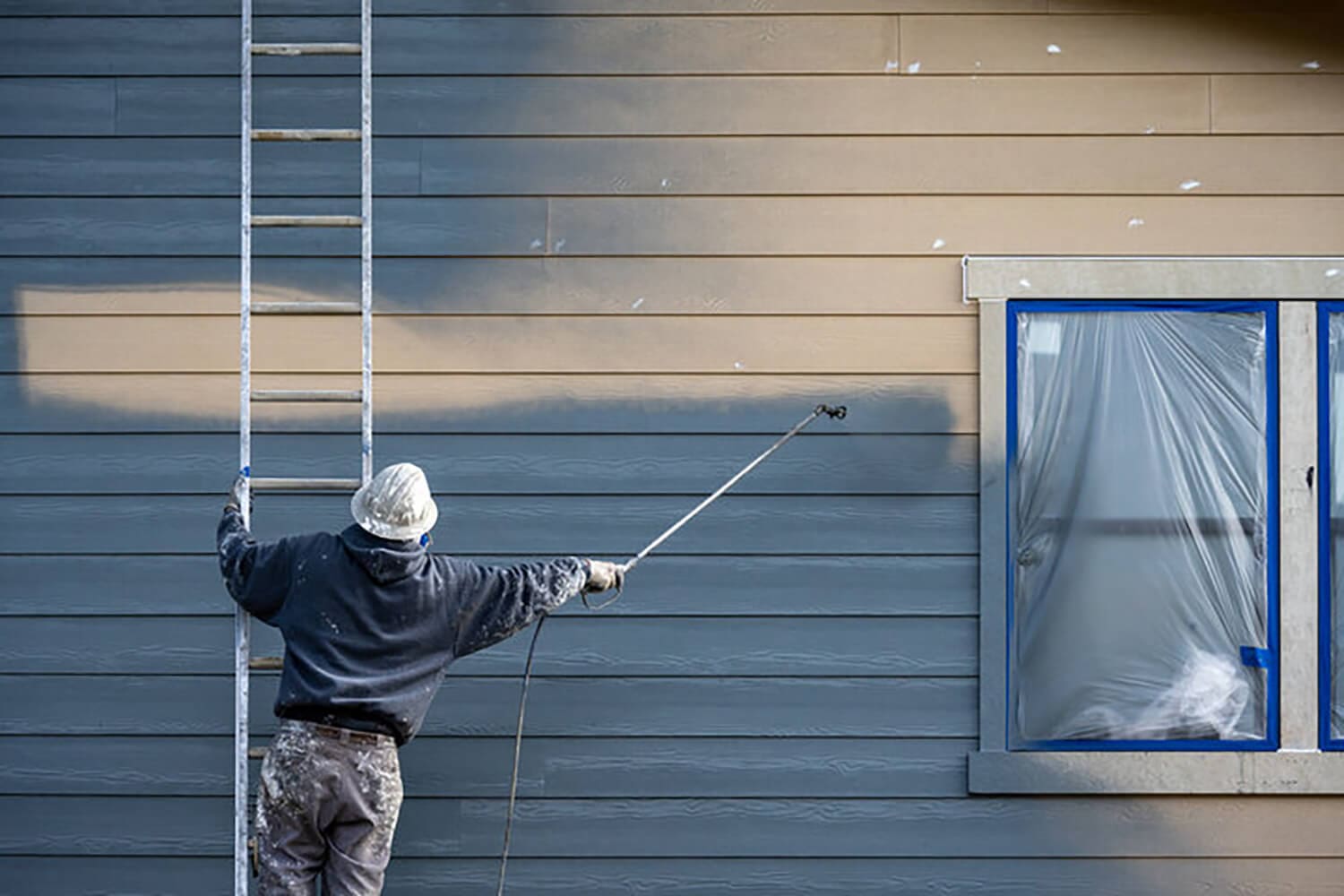
When exterior painting happens during winter, professional painters approach the job differently than they would in warmer months. The goal shifts from speed and efficiency to control and risk management. Every step is adjusted to account for how quickly conditions can change.
Cold-weather painting relies heavily on monitoring surface temperatures, not just air readings. Professionals check siding and trim throughout the day to make sure surfaces stay within safe ranges long enough for paint to cure. Application timing is tighter, and work often stops earlier in the afternoon to avoid temperature drops that can disrupt curing overnight.
Product selection also plays a larger role in winter. Certain exterior paints are formulated to perform better in cooler conditions, but even those products have limits. Knowing when a product can safely be used, and when conditions still push beyond its tolerance, comes from experience rather than guesswork.
Scheduling becomes more flexible as well. Winter projects are planned around weather patterns instead of fixed calendars, with built-in buffer time for delays. This adaptive approach is what allows winter painting to succeed when conditions allow. Without those adjustments, the risks tied to cold, moisture, and unstable weather increase quickly.
What All of This Means for Exterior Painting in Providence
Winter weather affects exterior painting in Providence in specific, predictable ways. Cold temperatures limit how paint can cure, moisture becomes harder to control, and shorter days reduce the margin for error. None of these factors automatically rule out exterior work, but together they make winter a season where conditions matter more than the calendar.
The most important takeaway is that winter painting is highly situational. Homes with good sun exposure, dry surfaces, and stable weather windows may be workable under the right circumstances. Others face higher risks because of shade, lingering moisture, or temperature swings that interrupt curing and preparation. Understanding those differences helps set realistic expectations and avoids decisions based on assumptions alone.
Rather than asking whether winter painting is “possible” or “impossible,” the better question is whether current conditions support a durable result. That evaluation depends on surface condition, exposure, recent weather patterns, and the scope of the project. When those factors are favorable, winter work can move forward carefully. When they are not, waiting often protects both the investment and the longevity of the finish.
If you’re considering exterior painting during the colder months and want clarity specific to your home, a condition-based assessment is the safest next step. Talking through timing, risks, and options with an experienced professional can help you decide whether winter conditions are workable or whether patience will lead to a better outcome.
If you’re unsure whether winter conditions are right for your home, we can help you evaluate it clearly. At Prep Smart Painting, we look at surface condition, exposure, and current weather to determine whether exterior painting makes sense now or if waiting will deliver a better result. If you’re planning an exterior painting and want honest guidance based on your home, reach out to us and explore our exterior painting services to see how we can help you move forward with confidence.