Best Time to Schedule Exterior Painting in Providence
As winter fades and spring sunlight starts hitting your home a little differently, you may begin to notice peeling trim, fading siding, or small cracks that were easy to ignore during colder months. That first warm stretch of weather often raises an important question: what is the best time to schedule exterior painting in Providence?
In a city like Providence, timing is not just about convenience. Seasonal temperature swings, coastal moisture, and humidity all play a role in how well paint adheres and how long it lasts. Scheduling at the wrong time can affect durability, finish quality, and even how smoothly your project runs.
Understanding the best time to schedule exterior painting in Providence helps you protect your investment and avoid unnecessary delays. In this guide, we will explain how local weather impacts exterior painting, which months offer the most reliable conditions, and how to plan ahead so your project fits both the climate and contractor availability.
Why Timing Exterior Painting Matters in Providence
Exterior painting is not just about color and curb appeal. The timing of your project directly affects how well the paint bonds, cures, and performs over time.
Providence experiences distinct seasonal shifts, and those changes influence three critical factors:
- Adhesion to the surface
- Smoothness and finish quality
- Long-term durability against weather exposure
Paint needs stable conditions to properly bond to siding, trim, or masonry. If temperatures fluctuate too much within a 24-hour period, the curing process can slow down or become uneven. This can lead to premature peeling, cracking, or blistering.
Painting too early in the season comes with risks.
Late winter and early spring often bring cold nights, damp mornings, and unpredictable rain. Even if the afternoon feels warm enough, overnight lows below 50°F can interfere with proper curing. Moisture trapped beneath the surface can weaken adhesion before the paint fully sets.
Waiting too long into late fall creates similar concerns.
Shorter days mean less drying time, and sudden temperature drops become more common. A cold snap after application can impact how the coating hardens, reducing its lifespan.
There is also a practical side to timing outdoor projects.
Providence homeowners tend to schedule exterior work once warmer weather arrives. This seasonal demand can lead to:
- Longer wait times for reputable contractors
- Limited availability during peak months
- Rushed decisions if you delay planning
Choosing the right window means balancing ideal weather conditions with contractor scheduling. When those two factors align, you are far more likely to achieve a clean, long-lasting finish that holds up through New England’s changing seasons.
Ideal Months for Exterior Painting in Providence
In most years, the ideal window for exterior painting in Providence runs from late April through early October. During this stretch, temperatures are generally warm enough for proper curing without the extreme swings that can interfere with performance.
Late spring, particularly May and June, is often considered one of the best periods to paint, which aligns closely with broader guidance on Rhode Island exterior timing. Daytime temperatures are typically consistent, humidity levels are moderate, and rainfall tends to be less disruptive than in early spring. Surfaces have had time to fully dry out from winter moisture, which improves adhesion and helps the paint bond evenly.
Early fall can also provide excellent conditions. September and early October usually bring mild days and cooler evenings, but without the intense heat and humidity that sometimes build during mid-summer. With steady daytime temperatures above 50°F and lower chances of prolonged rain, paint has adequate time to dry and cure properly.
The key is consistency. Exterior paint performs best when daytime temperatures remain comfortably above 50°F and overnight lows do not dip too far below that threshold. Lower humidity and minimal rain during the application window further support a smooth, durable finish. When these conditions align, homeowners are far more likely to see long-lasting results.
How to Plan Your Project Around Weather and Contractor Schedules
Even if you know the best seasonal window, planning ahead is what truly determines how smooth your project will be. In Providence, many homeowners begin thinking about exterior painting as soon as warmer weather arrives. By that point, reputable contractors are often already booking weeks or even months in advance.
If you want flexibility in timing, it helps to reach out in late winter or early spring. Early planning allows you to secure a preferred start date while still targeting the most favorable weather conditions. It also gives you time to discuss surface repairs, color selections, and project scope without feeling rushed.
Professional painters monitor forecasts closely. They do not rely on a single sunny day. Instead, they look at multi-day weather patterns to ensure surfaces stay dry before, during, and after application. If rain or sudden temperature drops are predicted, experienced crews adjust schedules to protect both the finish and the home.
As a homeowner, building in a small buffer can reduce stress. Weather in New England can shift quickly, so allowing extra time for potential delays keeps expectations realistic. Clear communication with your contractor about timing, prep work, and contingencies helps ensure that when the right weather window opens, your project is ready to move forward efficiently and without unnecessary setbacks.
How Providence’s Climate Impacts Paint Performance
Providence’s coastal location introduces environmental factors that go beyond simple temperature changes. Even within the recommended painting season, local climate conditions can influence how well exterior paint performs over time.
Several regional challenges affect curing, adhesion, and long-term durability:
- Coastal moisture from Narragansett Bay increases surface dampness, especially in the morning hours. Persistent moisture can slow drying and make proper prep work even more important.
- Salt exposure in the air can gradually break down exterior coatings, particularly on homes closer to the water. Salt particles may accelerate wear if surfaces are not properly cleaned and primed.
- High summer humidity can extend drying times. When the air holds excess moisture, paint may take longer to cure fully, which can affect hardness and overall finish quality.
- Freeze-thaw cycles in late fall and early spring can cause expansion and contraction in siding materials. If paint is applied when temperatures are unstable, that movement may weaken the bond.
- Microclimates within Providence neighborhoods create subtle differences. Homes near the waterfront, on shaded streets, or in densely built areas may experience different moisture and sun exposure patterns.
Professional painters account for these variables before scheduling. They evaluate sun exposure, wind patterns, and proximity to the coast to determine when conditions are truly stable. By considering Providence’s unique climate, they can time the project so the paint cures properly and stands up to New England weather for years to come.
What Homeowners Can Do to Prepare Before Scheduling
Choosing the right season is important, but preparation before you even lock in a date can make a significant difference in how smoothly the project unfolds. A little early planning helps ensure that once ideal weather arrives, your home is truly ready.
Start by assessing the current condition of your exterior. Walk around the property and look for peeling paint, soft wood, cracked caulking, or areas where moisture may be getting in. Pay close attention to trim, soffits, and lower siding panels where wear often shows first.
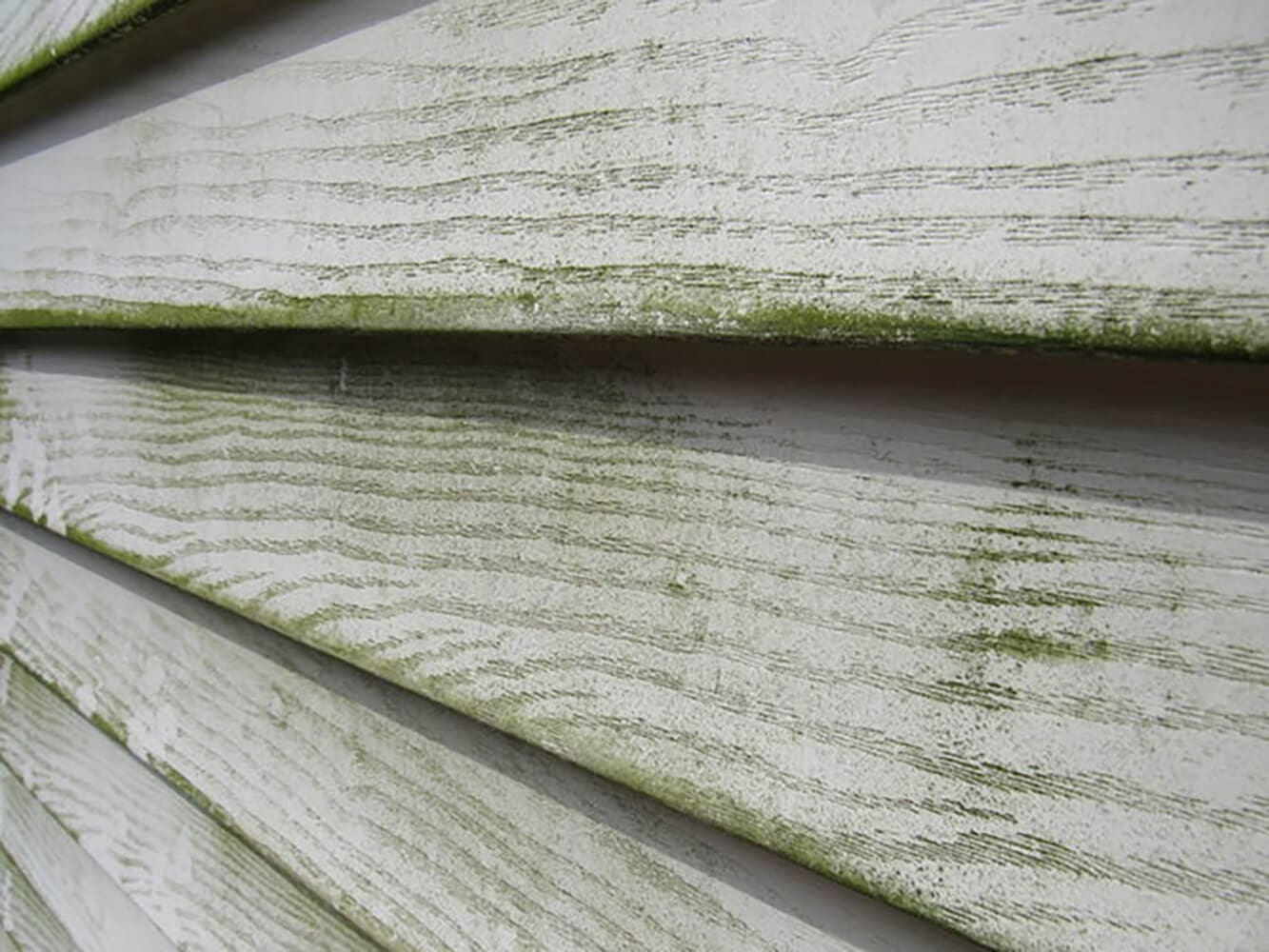
If you notice buildup from dirt, mildew, or salt exposure, being aware of common painting mistakes can help you avoid issues before the project even begins. A properly cleaned surface improves adhesion and gives your contractor a clearer picture of any repairs that may be needed.
It is also helpful to address minor repairs early. Replacing damaged boards, securing loose trim, or fixing small cracks ahead of time prevents last-minute delays once the crew is scheduled.
If your home is part of an HOA, check approval requirements for color changes. Submitting requests early avoids pushing your project into a less ideal weather window.
The best time to request a quote is often several weeks before peak season begins. Reaching out in late winter or early spring allows you to review options, plan around weather trends, and secure a place on the schedule before demand increases.
Schedule Early for the Best Results
Choosing the best time to schedule exterior painting in Providence comes down to more than just picking a warm day. Stable temperatures, moderate humidity, and predictable weather patterns all contribute to how well paint adheres and how long it protects your home.
Late spring and early fall typically offer the most reliable conditions. Planning ahead allows you to secure those prime windows instead of adjusting around limited availability or unpredictable weather.
By evaluating your home’s current condition early in the year and requesting quotes before peak season, you give yourself more flexibility. You also reduce the risk of rushing decisions or pushing the project into less favorable conditions.
Providence homeowners who think ahead often see smoother scheduling, better curing conditions, and longer-lasting results.
If you are planning an exterior update this season, Prep Smart Painting is here to help. We evaluate your home’s condition, recommend the right timing, and schedule your project around Providence’s weather patterns for the best possible results. Our team focuses on proper preparation and long-term durability so your investment holds up through New England’s changing seasons. Contact us today to schedule your exterior painting consultation and secure your preferred spot on our calendar.