
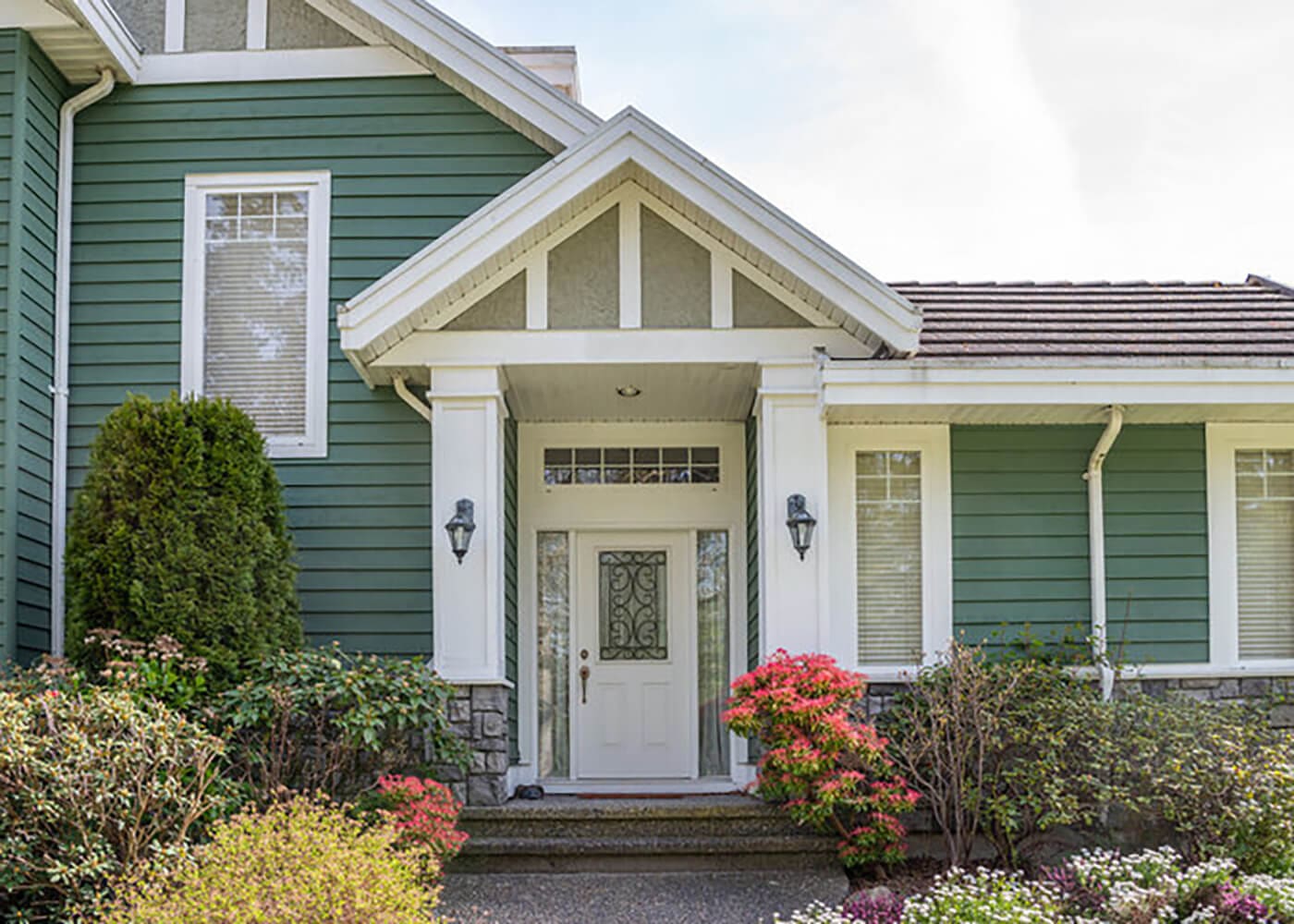
How to Prepare Your Home for Exterior Painting This Spring
Spring is one of the best times to tackle an exterior paint job. The temperatures are mild, humidity is manageable, and your home gets a fresh look heading into the warmer months. But how well that paint job holds up over time has a lot to do with what happens before the first brush ever touches your siding.
A lot of homeowners assume the painting crew handles everything from start to finish. In reality, there are several things you’ll need to take care of before they arrive. Skipping them can slow down the job, affect the quality of the finish, or create complications the crew wasn’t expecting.
When you prepare your home for exterior painting this spring, you’re not just making things easier for the painters. You’re protecting your investment and setting the project up to go smoothly from day one.
This guide walks through exactly what you need to do before your painting crew shows up, from clearing your yard to doing a walkthrough of your exterior, so nothing gets in the way of a clean, professional result.
Clear the Area Around Your Home
The first thing to do before your painters arrive is make sure they can actually get to every part of your home, and that starts well before the exterior painting season gets underway. Painters need clear, unobstructed access to work efficiently and safely around the full perimeter of your house.
Start by moving anything that’s sitting close to the exterior:
- Outdoor furniture, including chairs, tables, and benches
- Grills, fire pits, and propane tanks
- Potted plants and planters
- Decorative items, doormats, and welcome signs
- Garbage and recycling bins
Move these items well away from the house, not just a foot or two back. Painters need room to set up ladders, move equipment, and work without constantly repositioning around obstacles.
Next, take a look at what’s attached to or hanging on your exterior. Items like address signs, outdoor lighting, door knockers, and decorative hardware can get in the way of a clean paint application. Remove anything that can come off easily and set it aside for reinstallation once the job is done.
The more open and accessible your exterior is, the more efficiently your crew can work. It also reduces the risk of your belongings getting damaged or accidentally painted.
Trim Back Landscaping and Vegetation
Once the area around your home is clear, the next thing to address is anything that’s growing against or near your siding. Overgrown landscaping is one of the most common things that slows down an exterior paint job, and it’s entirely the homeowner’s responsibility to handle before the crew arrives.
Painters won’t trim shrubs, hedges, or branches as part of their work. If vegetation blocks access to your siding, painters either work around it carefully or wait for you to clear it. Neither option is ideal.
Walk the perimeter of your home and look for:
- Shrubs or hedges that are touching or growing close to the siding
- Tree branches that hang over or brush against the exterior
- Vines or climbing plants attached to the walls
- Dense ground cover that crowds the foundation
Cut these back far enough to give painters comfortable access to the full surface. A general rule is to aim for at least a foot of clearance between any vegetation and your siding.
If you have delicate plants near the foundation that you can’t trim back, let your contractor know ahead of time. They can take precautions to protect them during the job, but they need to know about them before work begins.
Keeping vegetation clear also matters beyond just access. Plants that grow against siding trap moisture, and in coastal New England homes, that kind of surface exposure is one of the most common reasons exterior paint fails early. Clearing them out before the job gives the surface the best possible conditions for a long-lasting finish.
Look for Problem Areas Before the Painters Arrive
Before your painting crew shows up, it’s worth doing a slow, deliberate walkthrough of your home’s exterior. You don’t need to be an expert to spot the kinds of issues that can affect a paint job. You just need to know what to look for and how to document it so your contractor can plan accordingly.
This walkthrough isn’t about making repairs yourself. It’s about going into your contractor conversation informed, so nothing catches anyone off guard once work begins.
As you walk the perimeter, keep an eye out for:
- Peeling or flaking paint, especially around trim, windowsills, and door frames
- Cracks or gaps in the siding, caulking, or areas where two surfaces meet
- Soft or spongy wood, which can indicate rot beneath the surface
- Loose or damaged trim pieces
- Areas where the siding has warped, buckled, or pulled away from the wall
Also pay attention to anything that looks like moisture damage or mold. Look for staining, bubbling paint, or dark discoloration on your siding or trim. These are signs that water has gotten in somewhere. These aren’t things you should attempt to treat on your own before the job. Flag them for your contractor so they can assess the situation and handle it correctly before any paint goes on.
Taking photos as you go is a simple way to keep track of what you find. Taking photos as you go gives you something concrete to reference when you talk to your painting crew, and helps ensure nothing gets overlooked.
The more informed you are going into that conversation, the smoother the project will go.
Communicate With Your Painting Contractor
Once you’ve done your walkthrough, you’re in a much better position to have a productive conversation with your contractor before work begins. This step is straightforward, but it makes a real difference in how smoothly the project runs.
Start by going over what you found during your exterior walkthrough. Share your notes and photos so your contractor can factor any problem areas into their plan. Issues that get surfaced early are much easier to address than ones that show up mid-job.
From there, confirm a few practical details:
- What prep work is the contractor handling, and what is your responsibility before they arrive
- Whether there are any surfaces, features, or areas that need special attention or protection
- Where vehicles should be parked on the day of the job
- How to handle pets during the project
- Which windows and doors will need to remain closed or accessible during painting
These are small logistical details, but leaving them unresolved creates unnecessary friction on project day. A short conversation ahead of time means the crew can get to work without delays and you know exactly what to expect.
Good communication before a paint job isn’t just courteous. It’s one of the most practical things you can do to protect the quality of the finished result.
How Good Prep Sets Your Paint Job Up to Last
The work you do before a painter ever sets foot on your property has a direct impact on the quality and longevity of the finished job. Paint applied over a well-prepped surface bonds better, looks cleaner, and holds up longer against the elements.
Each step in this process builds on the last. Clearing the area gives the crew room to work. Trimming back vegetation removes a common source of moisture and surface damage. Walking your exterior before the job means known issues get addressed rather than painted over. And a clear conversation with your contractor ensures everyone is on the same page before work begins.
None of this requires specialized knowledge or tools. It requires attention and a willingness to show up as an informed, prepared homeowner.
That preparation pays off in ways you’ll notice for years. A paint job that starts right tends to last longer, require fewer touch-ups, and deliver a cleaner result than one where problems were discovered after the fact.
If you’re planning a spring exterior paint job in Rhode Island or Southern Massachusetts, Prep Smart Painting is ready to help. Reach out to us to schedule your consultation and get a clear picture of what to expect from start to finish.