How Interior Humidity Affects Paint in Warwick Homes
Many homeowners are surprised when fresh interior paint starts to peel, bubble, or look uneven far sooner than expected. In homes around Warwick, these issues often have less to do with paint quality and more to do with what’s happening in the air inside the house. Understanding how interior humidity affects paint in Warwick homes can help explain why certain paint problems appear and why they seem to happen more often during specific times of the year.
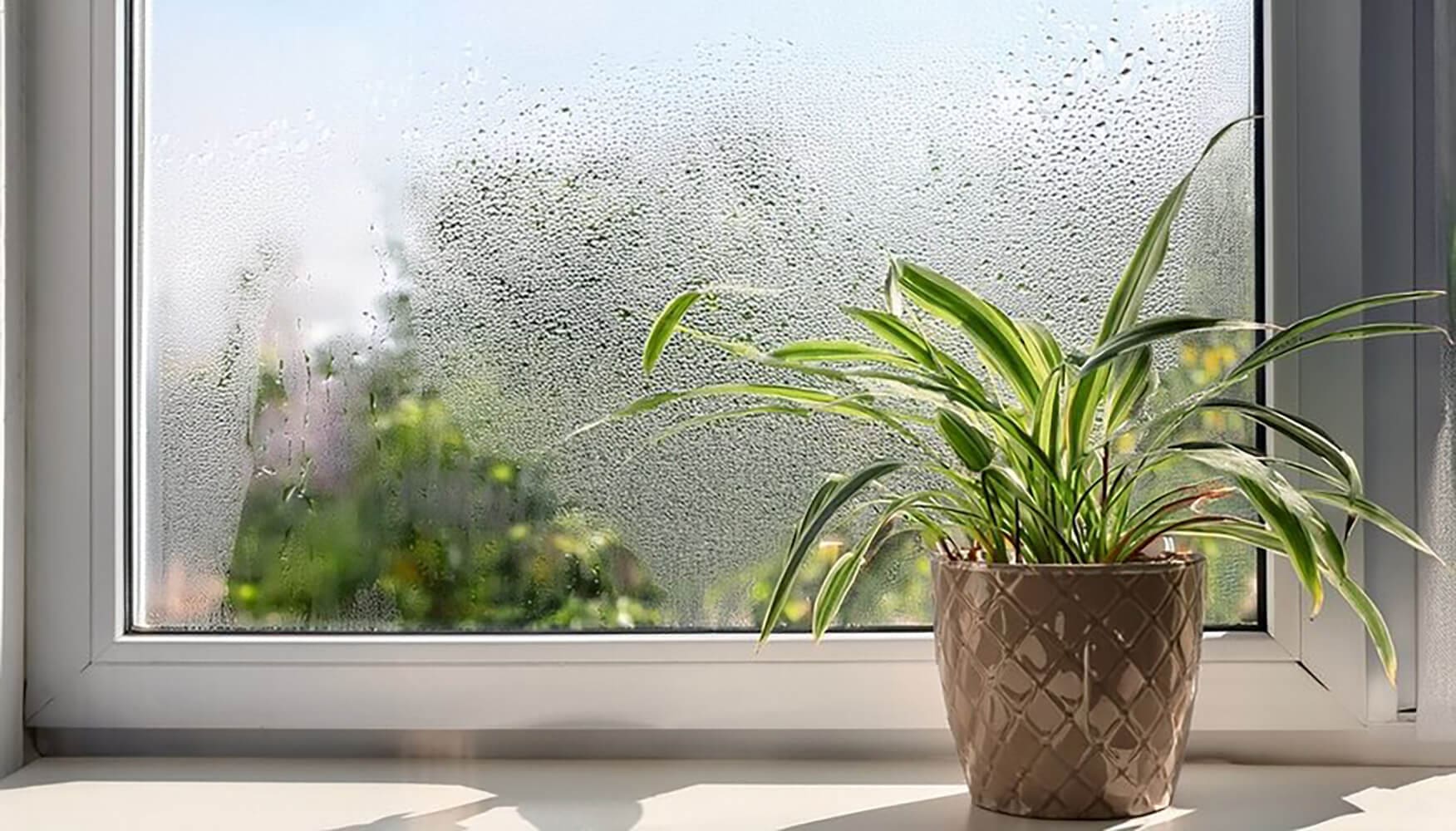
Indoor humidity plays a quiet but powerful role in how paint dries, cures, and holds up over time. Everyday activities like cooking, showering, or running the heat in winter can shift moisture levels enough to impact painted surfaces. When humidity is too high or too low, paint may struggle to bond properly, leading to visible flaws or shortened lifespan.
Homeowners searching this topic are often trying to figure out whether humidity is the real cause behind cracking walls, peeling trim, or inconsistent finishes. They may also be wondering if repainting alone will solve the problem or if something else needs attention first.
This guide helps clarify how indoor moisture levels interact with paint, why Warwick’s climate matters, and what homeowners should know to protect their walls, ceilings, and trim before and after painting.
How Interior Humidity Levels Commonly Fluctuate Inside Warwick Homes
Indoor humidity inside Warwick homes rarely stays consistent, and those shifts often happen without homeowners noticing. Seasonal weather patterns, home design, and daily routines all influence how much moisture is present in the air at different times of year.
In warmer months, humidity levels tend to rise due to outdoor moisture entering the home. Open windows, coastal air, and higher temperatures can all increase indoor moisture, especially in houses without strong ventilation or air conditioning control.
During colder months, the opposite often happens. Heating systems dry out indoor air, which can lead to very low humidity levels. This is why winter paint issues in Warwick frequently show up after long stretches of cold weather.
Common factors that cause indoor humidity to fluctuate include:
- Outdoor weather changes that affect air pressure and moisture
- Older homes with less insulation or air sealing
- Newer, tighter homes that trap moisture without proper ventilation
- Everyday activities like cooking, showering, washing clothes, and drying laundry indoors
- Basements and lower levels where damp air tends to collect
Humidity levels can also vary from room to room. A bathroom may experience short bursts of very high moisture, while bedrooms or living areas may stay much drier, especially in winter. These uneven conditions create challenges for painted surfaces throughout the home, even when the paint itself is applied correctly.
What Happens to Interior Paint When Humidity Is Too High
When indoor humidity rises above ideal levels, paint can struggle long before any visible damage appears. Moist air slows the evaporation process that paint relies on to dry and cure properly. As a result, paint may stay soft longer, increasing the risk of surface defects.
High humidity commonly leads to issues such as:
- Bubbling or blistering as moisture pushes against the paint film
- Peeling when paint fails to bond fully to the surface beneath
- Uneven sheen or patchy areas where drying occurred inconsistently
- Paint that feels tacky or soft well after the expected drying time
Excess moisture can also become trapped behind the paint layer. This often happens when walls already contain moisture from humid air, bathrooms, basements, or exterior seepage. Once sealed in, that moisture has nowhere to go, which causes pressure that breaks the paint’s bond.
Certain rooms show these problems more quickly than others. Bathrooms, kitchens, laundry rooms, and basements are especially vulnerable because they experience frequent moisture spikes. In these spaces, humidity and paint performance indoors are closely linked, and even high-quality paint can fail if moisture levels stay elevated.
Over time, repeated exposure to high humidity weakens painted surfaces, making future touch-ups or repainting more challenging if the underlying moisture issues are not addressed first.
What Happens to Interior Paint When Indoor Air Is Too Dry
Low indoor humidity can be just as damaging to paint as excess moisture, especially during colder months. When heating systems run consistently, they pull moisture from the air, leaving interior spaces overly dry. This is a common contributor to winter paint issues in Warwick homes.
Paint applied or exposed to very dry air can lose flexibility as it cures. Without enough moisture in the air, paint films may shrink more than intended, which places stress on the surface and the layers beneath.
Common signs of low-humidity paint problems include:
- Fine cracking or splitting, especially along seams or corners
- Paint pulling away slightly from trim or edges
- A brittle surface that chips more easily over time
- Increased visibility of joint lines and surface imperfections
Dry air also affects previously painted surfaces, particularly in winter, which is why winter interior painting requires extra attention in cold-weather homes. As walls, trim, and ceilings expand and contract with seasonal humidity changes, paint struggles to move with the surface beneath it. Over time, this repeated stress weakens adhesion and can lead to cracking or separation even when the paint was applied correctly.
Homes that swing between very dry winters and humid summers experience the most stress. Even if paint looks fine initially, repeated cycles of expansion and contraction can shorten its lifespan and make touch-ups stand out more noticeably.
Why Warwick’s Climate Makes Interior Humidity a Bigger Factor for Paint
Warwick’s coastal location and seasonal weather patterns create indoor conditions that directly influence how paint holds up over time. Even though interior painting happens indoors, the outdoor environment still affects moisture levels inside the home throughout the year.
During warmer months, humid coastal air can enter through open windows, doors, and small air leaks. This raises indoor moisture levels, especially in older homes that were not built with modern air sealing or ventilation systems. Paint applied or exposed to these conditions may take longer to dry and cure.
In colder months, heating systems dry out indoor air quickly. As temperatures drop, humidity levels inside the home can fall well below what painted surfaces prefer. This swing from summer moisture to winter dryness puts stress on walls, ceilings, and trim, particularly in homes without humidity control.
These seasonal shifts help explain why some paint problems appear months after a project is completed. A wall that looks fine in summer may start cracking or separating during winter, even when the paint was applied correctly.
Because Warwick homes experience both high humidity and dry indoor air within the same year, managing interior conditions becomes just as important as surface preparation and paint selection when it comes to long-term performance.
How Interior Humidity Affects Paint Application and Drying Time
Humidity levels at the time of painting have a direct impact on how paint behaves from the moment it is applied. Paint is designed to dry and cure within a specific moisture range, and when indoor air falls outside that range, problems can develop quickly.
High humidity slows evaporation, which means paint stays wet longer. This extended drying time makes the surface more vulnerable to dust, smudging, and uneven finishes. It can also cause paint to sag slightly or fail to level properly, leading to visible texture differences once it dries.
When indoor air is too dry, paint can dry too quickly on the surface while remaining soft underneath. This can interfere with proper curing and reduce long-term adhesion. Fast surface drying may also leave lap marks or inconsistent sheen, especially on large wall areas.
Professional painters pay close attention to indoor conditions before and during a project, including prep steps, drying timelines, and overall interior painting expectations when humidity levels vary. Temperature, airflow, and moisture levels all factor into when painting should begin and how long surfaces need to dry between coats. Controlling these conditions helps ensure paint cures evenly and performs as intended over time.
Rooms in Warwick Homes Most Affected by Interior Humidity and Paint Issues
Not every room in a home experiences indoor humidity the same way, which is why paint problems often appear in specific areas first. Rooms with frequent moisture, temperature changes, or limited airflow tend to put more stress on painted surfaces over time.
Bathrooms are a common trouble spot. Regular showers create bursts of humidity that can linger on walls and ceilings, especially if ventilation is limited. Paint in these spaces is more likely to peel, blister, or discolor when moisture is not managed properly.
Kitchens also experience regular humidity spikes from cooking, boiling water, and running appliances. Even with range hoods, moisture can settle on nearby walls and trim, affecting how paint holds up in these high-use areas.
Basements and lower levels often have naturally higher moisture levels. Damp air, reduced sunlight, and limited circulation make it harder for paint to dry and stay bonded. Paint issues in basements are often tied to ongoing humidity rather than application mistakes.
Living rooms, bedrooms, and hallways may seem less affected, but seasonal dryness in winter can still cause cracking or separation. These spaces often show paint stress gradually as indoor air swings between dry and humid throughout the year.
How Homeowners Can Manage Interior Humidity to Protect Painted Surfaces
Managing indoor humidity doesn’t require major renovations, but small adjustments can make a meaningful difference in how paint performs over time. The goal is to keep moisture levels as stable as possible, especially before and after interior painting.
Ventilation plays a key role. Using exhaust fans in bathrooms and kitchens helps remove moisture before it spreads to other parts of the home. Keeping these fans running for a short time after showers or cooking can prevent humidity from lingering on painted surfaces.
Airflow throughout the home also matters. Proper circulation allows moisture to disperse evenly rather than settling in isolated areas. In homes with closed-off rooms or lower levels, stagnant air can contribute to ongoing paint problems.
Humidity control devices can help when natural ventilation isn’t enough. Dehumidifiers are often useful in basements or damp rooms, while humidifiers may improve conditions during dry winter months. The goal is balance, not extreme dryness or moisture.
Homeowners planning a painting project should also consider timing. Addressing moisture issues beforehand helps paint adhere better and last longer. Persistent humidity problems may point to larger ventilation or moisture concerns that are worth addressing before repainting begins.
When Paint Problems Signal a Humidity Issue Instead of a Paint Quality Issue
Not all paint failures are caused by low-quality materials or poor workmanship. In many Warwick homes, recurring paint problems are a sign that indoor moisture levels are working against the painted surface. Knowing when humidity is the root cause can save homeowners from repeated repainting without lasting results.
Paint issues that often point to humidity rather than paint quality include:
- Peeling or bubbling that reappears shortly after repainting
- Blistering paint on walls that are not exposed to direct water
- Cracking that shows up seasonally rather than immediately
- Paint separating along seams, corners, or trim lines
- Soft or tacky paint that never fully seems to harden
These problems often return even when high-quality paint is used. That’s because moisture trapped in the air or within walls continues to interfere with adhesion and curing. Simply applying another coat does not resolve the underlying condition.
Surface preparation and environmental control are just as important as paint selection, since common painting mistakes can create issues that look like humidity damage. When moisture levels are not addressed, paint may fail even if high-quality products are used. In these cases, repainting without correcting the underlying conditions often leads to the same problems returning.
When paint problems repeat or appear in multiple areas of the home, a professional evaluation can help determine whether moisture control needs attention before repainting moves forward.
Why Controlling Interior Humidity Helps Paint Last Longer in Warwick Homes
Keeping indoor humidity within a healthy range allows paint to perform the way it was designed to. When moisture levels stay relatively stable, paint can cure evenly, bond properly, and maintain its appearance for years instead of breaking down early.
Balanced humidity reduces stress on painted surfaces. Walls, ceilings, and trim naturally expand and contract with changes in temperature and moisture. When those changes are extreme, paint struggles to move with the surface beneath it. Stable indoor conditions minimize that movement and help paint remain intact.
Homes with controlled humidity also tend to show fewer cosmetic issues over time. Paint finishes look more consistent, touch-ups blend better, and surfaces are less likely to develop cracks or peeling. This is especially important in homes that experience both humid summers and dry winters.
Humidity control also protects more than just paint. It supports overall indoor comfort and helps preserve materials like drywall, wood trim, and cabinetry that interact closely with painted surfaces.
For Warwick homeowners, managing interior humidity is a practical way to extend the life of interior paint and reduce the need for frequent repairs or repainting.
If interior paint issues keep coming back, humidity may be part of the problem. Prep Smart Painting offers professional interior painting services that start with evaluating indoor conditions, not just applying a new coat. A consultation helps identify moisture, ventilation, and prep needs before painting begins, so finishes last longer and look more consistent throughout your home.