What to Know About Commercial Painting During Summer in Fall River
If you own or manage a commercial property in Fall River, you’ve probably wondered whether summer is actually the right season to schedule a paint job, or whether that’s just conventional wisdom that doesn’t hold up once you factor in your business’s schedule and the local climate. The truth is more nuanced than “warm weather is good weather.” Get the timing wrong and you’re not just looking at a delayed project. You could end up with blistering, an uneven finish, or a disruption to customers and staff during one of your busiest seasons.
Here’s what to know about commercial painting during summer, from the weather advantage that makes it a strong window, to what Fall River’s coastal climate adds to the equation, to how to schedule around your specific business type without losing a single day of revenue.
The Weather Advantage That Makes Summer Prime Time for Commercial Painting
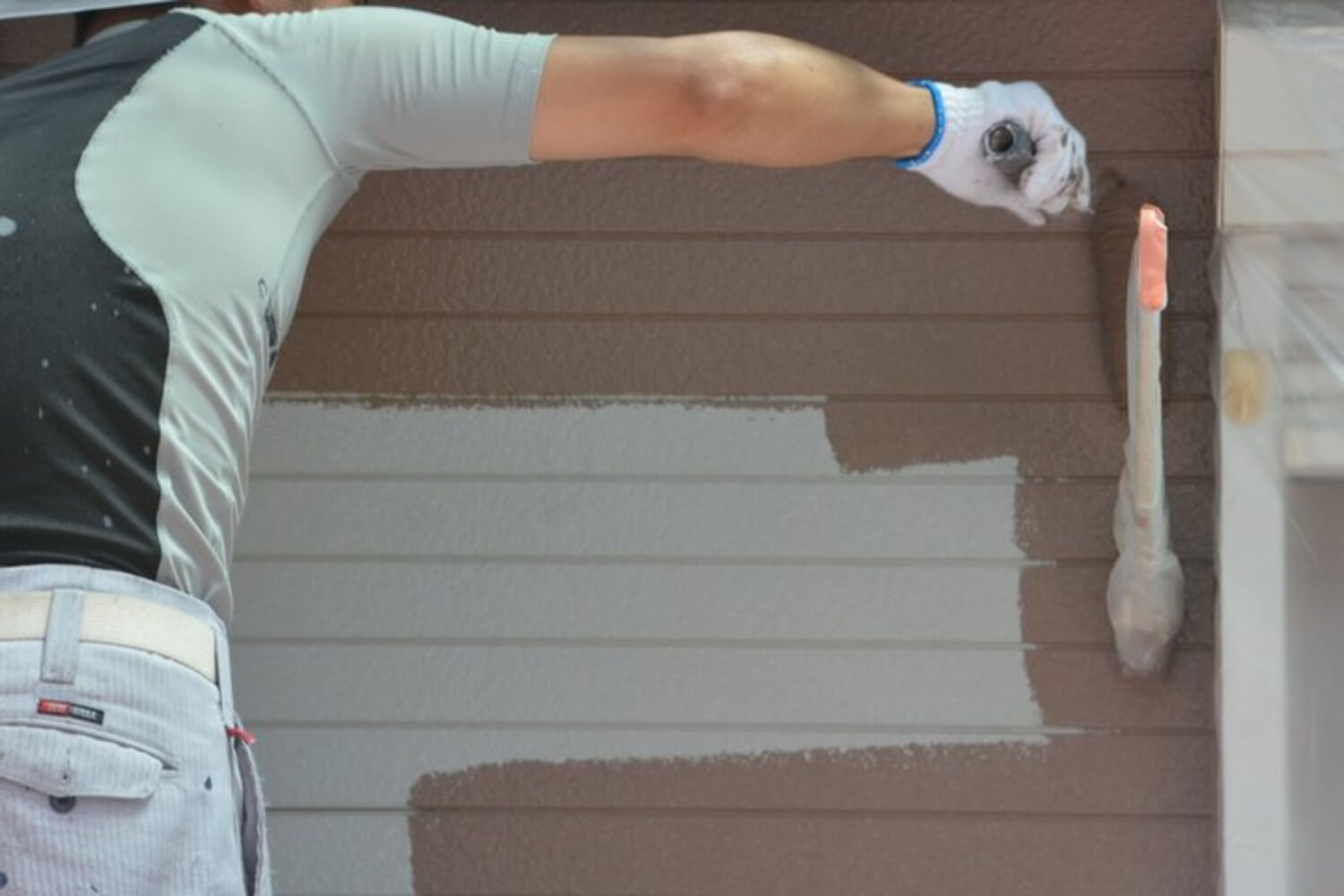
Consistent warm temperatures and longer daylight hours are what make summer a strong scheduling window for commercial painting. Paint adheres and cures properly in this range, and crews get more usable hours per day to move through large-scale commercial work.
This comes down to basic paint chemistry. Cooler or wetter conditions slow the curing process and increase the risk of a compromised finish, which is exactly why contractors treat the summer months as prime scheduling territory.
That said, this doesn’t mean every summer day is ideal, and that nuance matters more than most property owners expect.
Projects scheduled during this weather window typically finish faster and with fewer weather-related delays than projects squeezed into shoulder seasons. Here’s what usually improves during a well-timed summer project:
- Faster drying and curing between coats
- Fewer weather-related work stoppages
- More daylight hours per crew shift
- A shorter overall project timeline
Fall River’s Coastal Climate Adds a Layer Beyond Just Heat
Fall River’s proximity to the coast means summer here isn’t just hot. Humidity swings and occasional heat spikes are part of the package, and both affect how paint applies and cures on your building.
High humidity slows evaporation, which can lead to tackiness, an uneven sheen, or a finish that never fully hardens. Heat spikes create the opposite problem: paint can dry too fast on the surface before it’s properly bonded underneath.
Many property owners assume “hot and dry” describes every summer day in New England, but coastal humidity is the variable that catches people off guard. An experienced local contractor serving Fall River times application around these humidity and temperature swings rather than just checking the calendar. That’s what separates a finish that lasts from one that needs redoing within a year or two.
Scheduling Your Project Around Your Business Type
How you schedule a summer commercial paint job depends heavily on what kind of business is operating out of the space. Disruption tolerance and slow seasons vary widely by property type, so a one-size-fits-all schedule rarely serves everyone well.
Retail and Storefront Properties
Retail properties generally benefit from early morning or after-close scheduling to avoid disrupting foot traffic during peak shopping hours. Storefronts rely on visible curb appeal and customer access, so even short closures can affect sales, which is why phased scheduling, working section by section, keeps the store partially open throughout.
Larger storefronts or properties with multiple entry points may not be able to fully phase around customer traffic. In those cases, a short planned closure during the slowest week of the month is usually more efficient than dragging a phased approach out over several weeks. A well-timed exterior refresh during a slower retail week can actually boost walk-in traffic once it’s complete, rather than costing the business goodwill during the work itself.
Restaurants and Food Service
Restaurants generally do best scheduling exterior work during off-hours or slower weekday stretches, with interior work reserved for planned closures rather than mid-service. Food service properties also have real health and ventilation considerations, so low-VOC product use matters more here than for almost any other property type.
Patio or outdoor dining areas often need separate scheduling consideration since they stay in active use through most of the summer. Restaurants that plan around service hours and patio use typically get the work done without a single missed shift or a seated guest smelling fresh paint, protecting both revenue and the dining experience throughout the process.
Offices and Multifamily Properties
Offices and multifamily buildings often have more scheduling flexibility, since summer brings natural lulls like vacation season for offices and tenant turnover windows for multifamily properties. Fewer people on-site at a given time means larger sections can be tackled at once without the same disruption concerns retail or restaurants face.
Multifamily properties often require advance tenant notice for shared hallway or common-area work, so property managers need to build that timeline into the schedule earlier than the painting start date itself. Property managers who plan around these natural lulls accomplish more of the project per visit, which shortens the overall timeline considerably.
Choosing Coatings and Materials Built for Summer Conditions
Summer heat and UV exposure call for weather-resistant, UV-protective exterior coatings, while low-VOC products matter more for interior work when ventilation is harder to manage in warm weather. These two considerations often get treated as separate decisions, but they’re really part of the same planning conversation.
Exterior surfaces exposed to intense summer sun face faster fading and breakdown without the right coating. Interior spaces with less airflow during hot months also make low-VOC selection a comfort and air-quality issue, not just a preference.
Not every “summer-rated” paint performs the same way in coastal humidity, which is exactly where the climate factors above connect directly to product choice. If you want a deeper look at choosing exterior paint for humid summers, the same mildew resistance and vapor permeability considerations that matter for homes apply just as directly to commercial buildings along the coast. The right coating choice extends the life of the paint job well beyond the season it was applied in, which protects the investment you’re making.
What to Know About Commercial Painting During Summer Before You Book
Summer is peak season for painting contractors, so timelines fill up fast. Booking early is what actually protects your schedule, not just the favorable weather.
Contractors are managing multiple summer projects at once. A business that waits until mid-summer to reach out risks a rushed schedule or a less favorable fall slot with a different crew. If your preferred contractor has already booked into fall by the time you call, you’re usually better off locking in that fall date early rather than settling for a rushed summer slot elsewhere.
There’s more to weigh here than just the calendar. Reviewing what to consider before starting a commercial painting project, including building condition, budget, and employee schedules, helps you walk into that first conversation with a contractor prepared rather than reactive. Businesses that lock in dates early get first pick of scheduling around their specific operational needs, instead of working around whatever’s left on the calendar.
Timing and Prep Determine Whether Your Summer Repaint Pays Off
Summer’s advantage isn’t automatic. It comes from combining the right weather window with the right scheduling approach for your business type and the right materials for coastal conditions. Getting any one of those pieces wrong, rushed timing, the wrong coating, or ignoring humidity, can turn a summer advantage into a finish that needs early rework.
If you’re weighing a commercial painting project for your Fall River business this summer, we’d be glad to walk through timing and material options specific to your property. We offer free estimates with no pressure attached, so you can get a clear picture of what your building needs before the season closes. Request your free estimate today and let’s find the right window for your project.