How to Choose the Best Exterior Paint for Humid Summers in Warwick
Choosing an exterior paint comes down to more than picking a color and a brand. For Warwick homeowners, the climate does a significant amount of the deciding. Humid New England summers create conditions that test exterior paint in ways that a product built for drier climates simply is not prepared for. Knowing how to choose the best exterior paint for humid summers is what separates a finish that holds up season after season from one that starts failing within a year or two.
What Humidity Does to Exterior Paint
Humidity does not just make painting uncomfortable. It creates a set of conditions that work against exterior paint at every stage, from application through the life of the finish.
The first problem is curing. When ambient moisture in the air is elevated, paint takes significantly longer to dry and set. That extended window leaves the surface vulnerable to contamination, surface damage, and adhesion failure before the film has had a chance to bond properly.
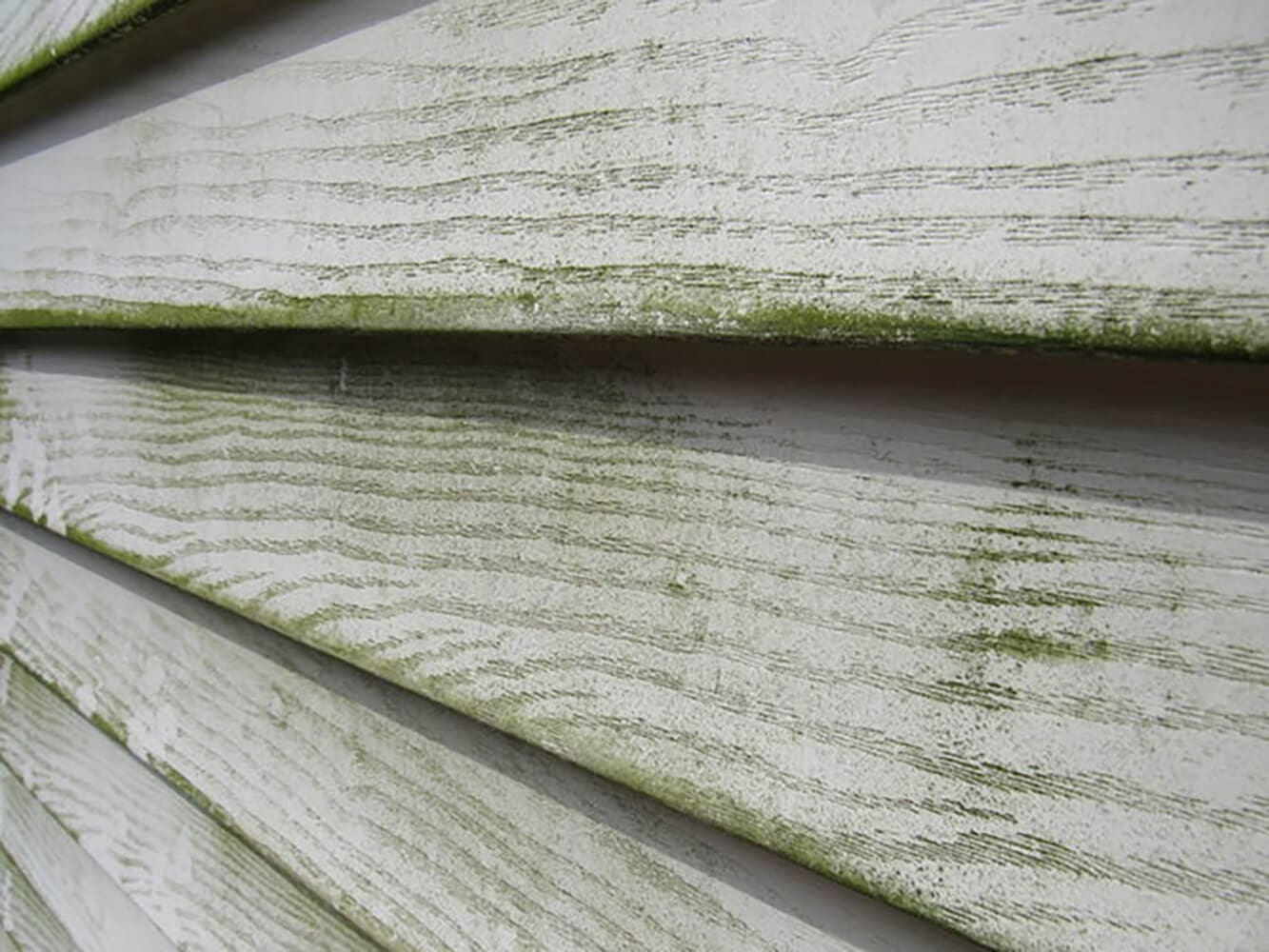
The second problem is biological. Mold and mildew thrive in humid conditions, and exterior surfaces give them plenty to work with: organic material in wood, moisture that accumulates in shaded areas, and surfaces that stay damp for extended periods after rain. North-facing walls and surfaces near vegetation are particularly vulnerable because they dry more slowly between weather events.
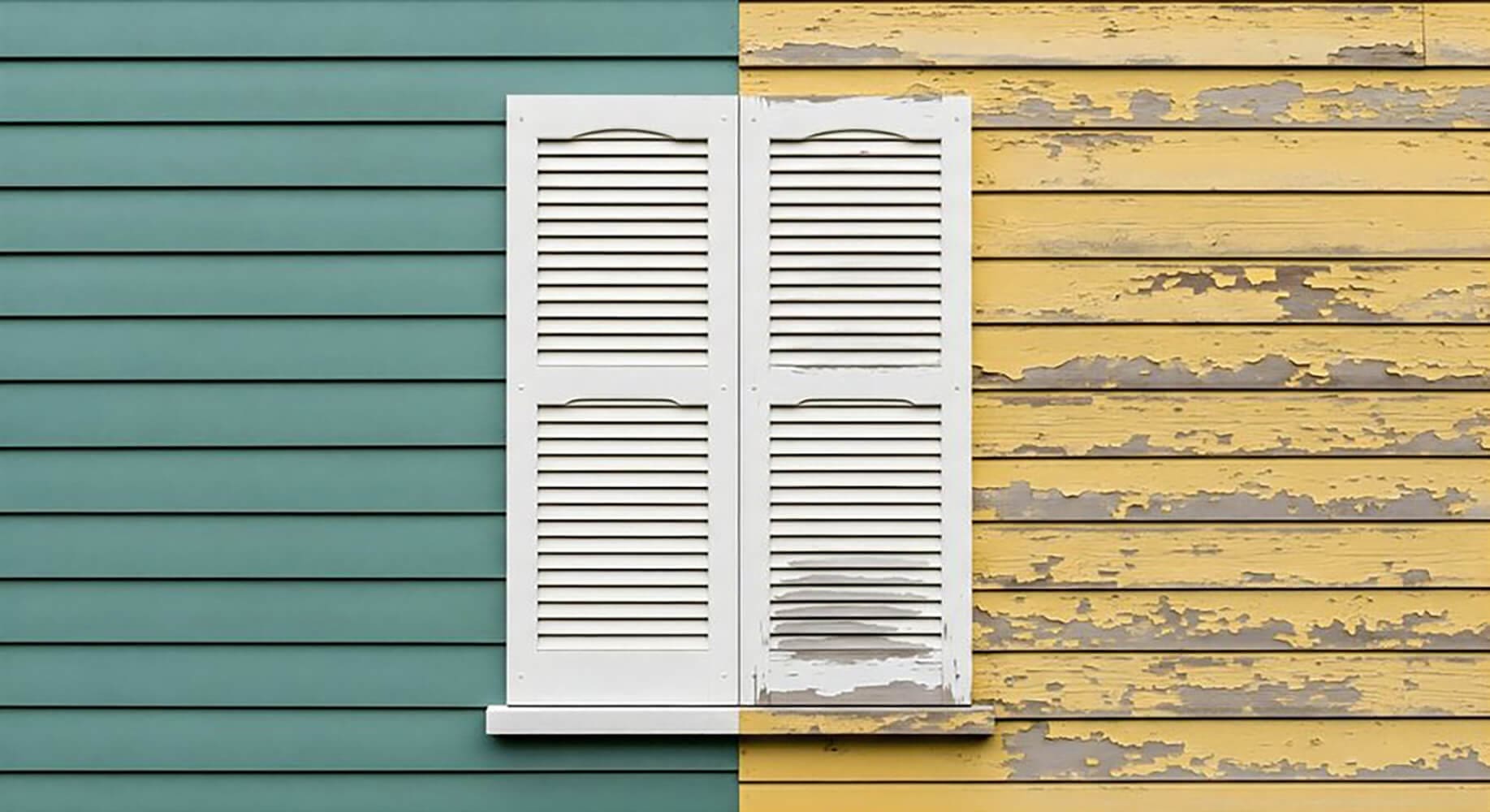
The third problem is less visible but often more damaging. Moisture vapor moves through walls from the interior outward. When a paint film does not allow that vapor to pass through, pressure builds beneath the coating. That pressure has to go somewhere, and it typically goes into blistering and peeling from behind the surface, which looks like a paint failure but is actually a moisture management failure.
These are not random outcomes. They are predictable results of applying the wrong product to the wrong conditions.
How to Choose the Best Exterior Paint for Humid Summers
The factors below are not about brand preference or price point. They are the performance characteristics that determine whether a paint holds up in the conditions Warwick summers create.
Look for Mildew and Mold Resistance
Exterior paints formulated for humid climates include mildewcide additives built directly into the product. This is a formulation difference, not a coating applied after the fact. The resistance is in the paint itself.
This characteristic matters most in specific areas:
- North-facing elevations that receive less direct sun
- Surfaces near trees, shrubs, or other vegetation that trap moisture
- Areas under eaves or overhangs where water collects and dries slowly
- Any surface that stays shaded for most of the day
A paint without mildewcide additives applied to these areas will show mildew growth within one to two seasons in a climate like Warwick’s.
Understand Moisture Resistance and Vapor Permeability
These two properties sound similar but work differently, and understanding both is important.
Moisture resistance refers to the paint film’s ability to repel liquid water from the outside. Rain, condensation from humidity, and splash from the ground are all forms of external moisture the film needs to deflect.
Vapor permeability refers to the paint film’s ability to allow moisture vapor to pass through from the inside out. This is what prevents the interior moisture buildup that causes blistering and peeling from behind the surface.
The problem comes when a paint is highly moisture resistant on the outside but does not allow vapor to escape from the inside. That combination traps moisture behind the film, which is one of the most common causes of premature peeling on older New England homes. The paint appears to be failing, but the paint is not the origin of the problem.
100 percent acrylic latex formulations generally strike the right balance between these two properties. They repel exterior moisture while remaining permeable enough to allow vapor movement, which is why they are the standard recommendation for humid climate exterior work.
Choose a Finish That Handles UV and Heat Alongside Humidity
Warwick summers do not just bring humidity. They bring UV exposure and heat alongside it, and these stressors do not work in isolation.
UV breaks down the paint film’s binder over time, reducing flexibility and adhesion. Heat accelerates that process. Humidity compounds the adhesion and flexibility issues that UV and heat have already started. A paint formulated only for moisture resistance without UV stabilizers will still fail prematurely on a sun-exposed elevation.
Premium exterior formulations engineered for humid climates are built to address the combination of heat, UV, and moisture together. That is a different engineering standard than a product designed to handle any one of those conditions in isolation.
Understand the Role of Sheen
Sheen level affects how a paint surface handles moisture, and the choice matters more in humid climates than it does in dry ones.
Higher sheen finishes shed water more readily. They are easier to clean, more resistant to surface contamination, and better suited for surfaces that take direct weather exposure. Trim, doors, window casings, and other high-exposure surfaces benefit from a satin or semi-gloss finish for exactly this reason.
Flat and low-sheen finishes are more porous. They absorb moisture more readily and are harder to clean. In a humid climate, applying a flat finish to a surface that stays wet for extended periods increases the risk of mildew growth and paint degradation significantly.
For most exterior surfaces in Warwick, satin is the appropriate baseline. Semi-gloss is appropriate for trim and high-exposure areas. Flat finish belongs on soffits and surfaces with minimal direct weather exposure.
Why Paint Alone Does Not Determine How Long a Finish Lasts
A product can meet every performance standard for humid climates and still fail ahead of schedule if the surface beneath it is not properly prepared.
Surface issues that compromise a finish before the first coat goes on include:
- Existing moisture damage in the wood or substrate
- Failed or missing caulking around windows, doors, and trim
- Cracked or deteriorated wood that needs repair before paint will adhere correctly
- Surface contaminants including mildew, chalk, and residue from previous paint failures
A professional assesses the condition of the substrate before making a product recommendation, because the surface condition affects which paint will perform best and what preparation is actually required. A product that is the right choice for a sound, well-prepared surface may not be the right choice for a surface that has existing moisture damage or significant adhesion issues.
Product selection and surface preparation are not separate decisions. They depend on each other.
What Warwick’s Summer Climate Means for Your Exterior Paint Decision
Warwick’s proximity to the coast and Narragansett Bay means elevated ambient humidity through the summer months. The conditions that stress exterior paint are not limited to rainy days. They are present on most summer days in some form.
The combination of salt air, coastal humidity, and UV intensity that Warwick homeowners contend with is more demanding than what most inland climates produce. A product selection that would be adequate in a drier region may not be the right call here.
Scheduling also matters alongside product choice. Paint applied during a period of lower humidity and moderate temperatures cures more completely and bonds more durably than paint applied in peak summer heat. That window is narrowing as the season moves forward.
If you are planning an exterior paint project this summer, now is the time to assess what your home’s exterior actually needs. We work with Warwick homeowners to evaluate surface conditions, identify the right product for the climate, and find a scheduling window before summer closes and fall weather makes exterior painting less predictable. Reach out to us today for a consultation and get a clear picture of what your home needs before the season runs out.